
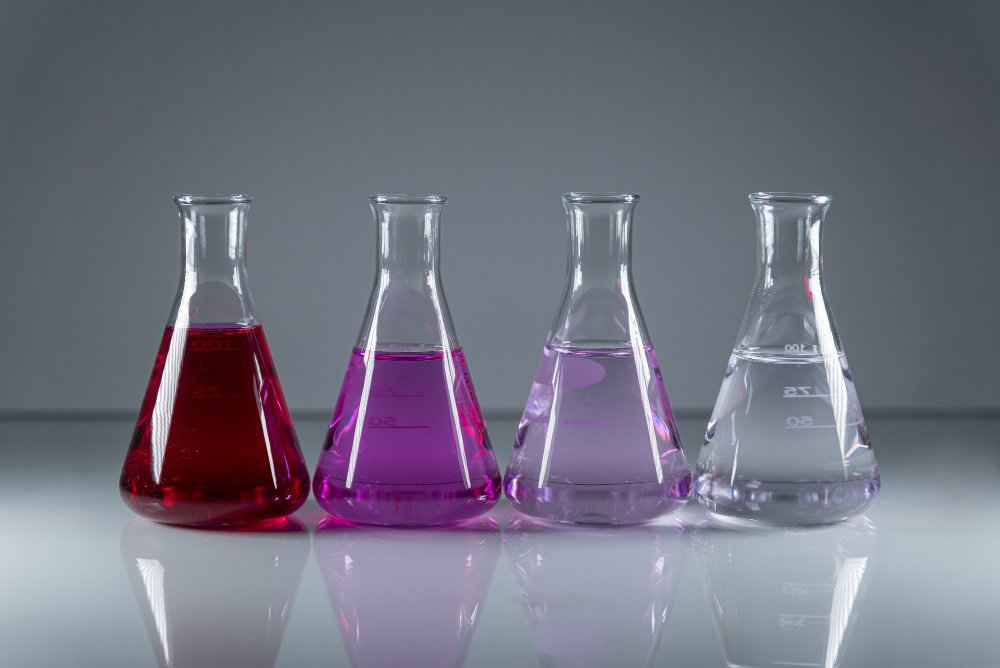
Borosilicate glass is one of the most important materials used in laboratories. Scientists, students, and technicians trust this glass because it is strong, safe, and long-lasting. It can handle heat, chemicals, and daily lab work without breaking easily. This is why most laboratory glassware is made from borosilicate glass.
In this article, you will learn what borosilicate glass is, why it is used in labs, its key properties, and where it is commonly used.
What Is Borosilicate Glass?
Borosilicate glass is a special type of glass made using silica and boron oxide. This mix makes the glass much stronger than normal glass. Unlike regular soda-lime glass, borosilicate glass does not crack easily when heated or cooled quickly.
Because of these properties, borosilicate glass is widely used in laboratory equipment, scientific instruments, and industrial glassware.
Why Laboratories Use Borosilicate Glass
Laboratories work with heat, chemicals, and precise measurements every day. Regular glass cannot handle these conditions well. Borosilicate glass is chosen because it stays stable, safe, and clear during experiments.
It helps scientists get accurate results and keeps lab workers safe. That is why it is considered the standard glass for laboratory use worldwide.
Key Properties of Borosilicate Glass for Labs
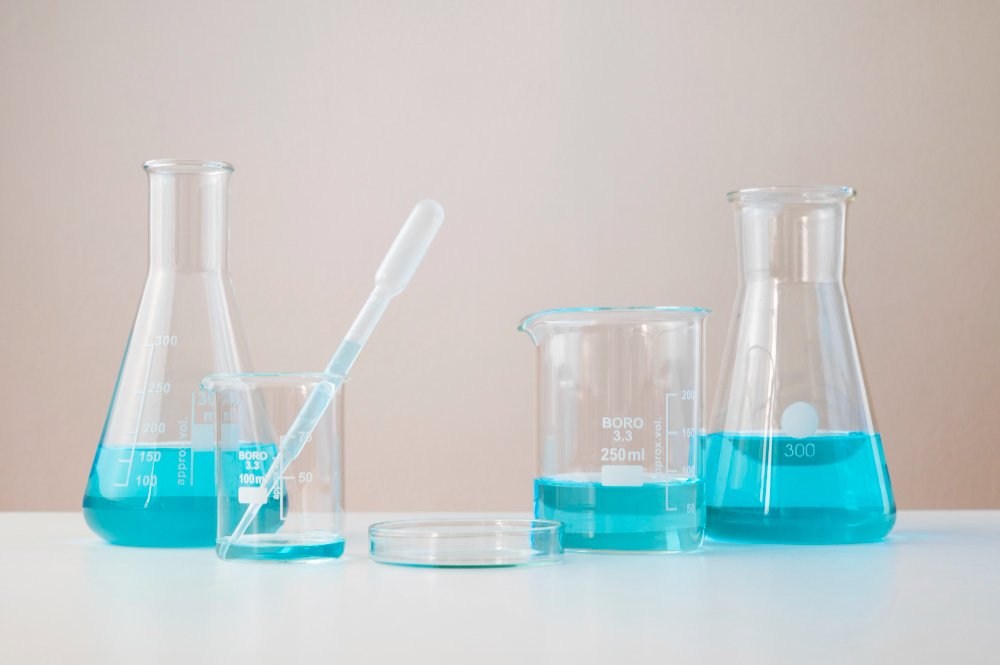
High Thermal Resistance
Borosilicate glass can handle very high temperatures. It does not break when moved from hot to cold environments. This property is called thermal shock resistance.
Because of this, it is perfect for:
-
Heating experiments
-
Boiling liquids
-
Flame exposure
Chemical Resistance and Purity
This glass does not react with most chemicals. Acids, bases, and solvents do not damage it easily. That keeps lab samples pure and results accurate.
This chemical stability makes borosilicate glass ideal for:
-
Chemical testing
-
Medical labs
-
Research laboratories
Durability and Mechanical Strength
Borosilicate glass is strong and durable. It lasts longer than regular glass and breaks less often. This reduces accidents and saves money in the long run.
Many labs prefer it because it can handle daily use without damage.
Optical Clarity for Accurate Observation
Clear visibility is very important in labs. Borosilicate glass has excellent optical clarity. Scientists can easily see color changes, reactions, and liquid levels.
This helps with:
-
Accurate measurements
-
Visual inspection
-
Safe experiment handling
Practical Benefits of Borosilicate Glassware
Borosilicate glassware offers many practical benefits:
-
Easy to clean and sterilize
-
Can be reused many times
-
Keeps shape even after heating
-
Reliable for long-term lab use
Because of these advantages, it is trusted by professionals in education, healthcare, and scientific research.
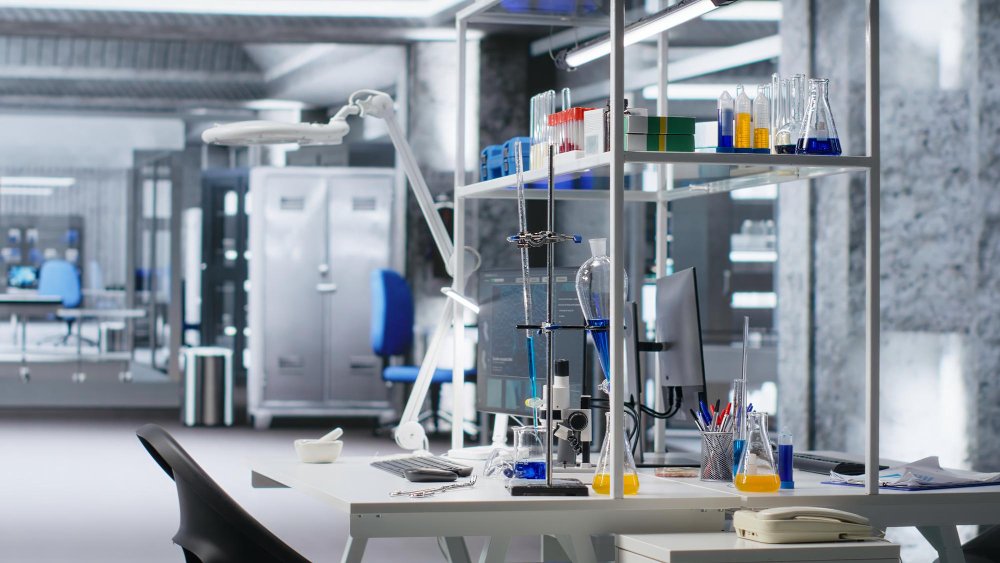
Common Laboratory Applications of Borosilicate Glass
Borosilicate glass is used in many lab tools, such as:
-
Beakers
-
Test tubes
-
Flasks
-
Pipettes
-
Glass containers
It is also used in pharmaceutical labs, chemical plants, and university research labs.
Cost and Environmental Advantages
Although borosilicate glass may cost more at first, it saves money over time. It lasts longer and needs fewer replacements.
It is also eco-friendly because:
-
It can be reused
-
It produces less waste
-
It reduces plastic use in labs
Conclusion
Borosilicate glass is essential for laboratory work because it is strong, safe, and reliable. It handles heat, chemicals, and daily use without breaking easily. Its clear view and long life make it perfect for accurate experiments.
For these reasons, borosilicate glass continues to be the trusted choice for laboratories around the world. Choosing the right glass helps ensure safety, accuracy, and better results in every experiment.