
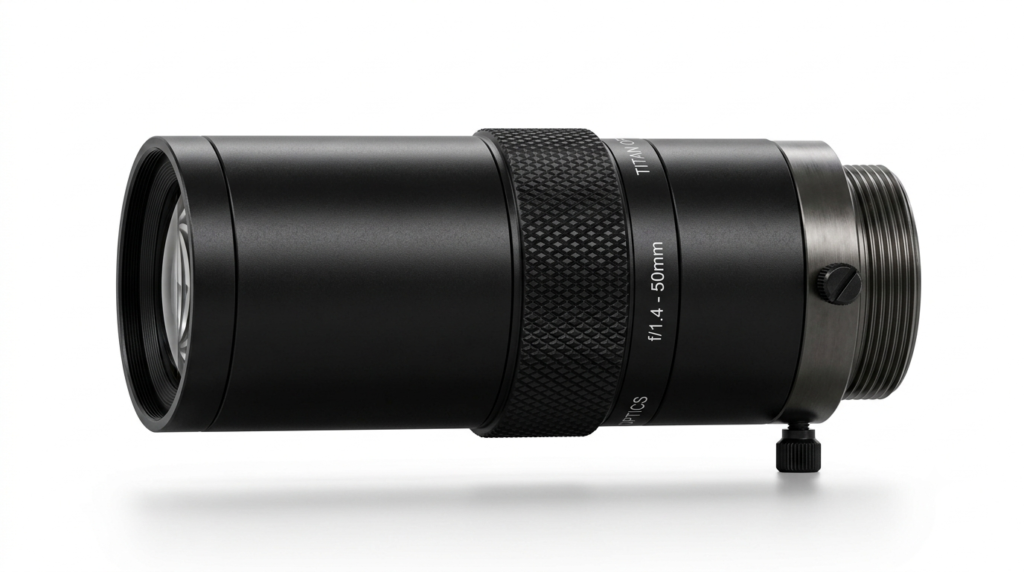
TL;DR
Conoscope lens optical design focuses on capturing angular light distribution data from display panels and optical components with high precision. This design process involves careful selection of lens elements, coatings, and imaging configurations to ensure accurate measurement results. This guide explains what conoscope lens optical design involves, key design considerations, and common applications in testing and measurement systems.
Quick Answer
What is conoscope lens optical design? It refers to the engineering process behind creating lenses that capture and analyze the angular distribution of light emitted from a sample, such as a display panel or optical surface. This design work involves optimizing lens curvature, aperture, and coating layers to minimize distortion and maximize measurement accuracy. Conoscope lens optical design plays a central role in display testing, viewing angle analysis, and optical characterization systems.
Conoscope Lens Optical Design: Complete Guide for 2026
Introduction: Why Conoscope Lens Optical Design Matters
Modern displays and optical components require precise angular measurement.
Manufacturers need to understand how light behaves across different viewing angles.
This is where conoscope lens optical design becomes essential.
A well-designed conoscope lens captures angular light data accurately and consistently.
Poor design choices can introduce distortion or reduce measurement reliability.
This guide covers the fundamentals of conoscope lens optical design and its practical applications.
What Is a Conoscope Lens?
A conoscope lens is an optical component used to capture angular light distribution.
It converts angular light information from a sample into spatial image data.
This conversion allows measurement systems to analyze viewing angle performance accurately.
Conoscope lenses are commonly used alongside cameras or detectors in testing equipment.
Understanding this function is the starting point for grasping conoscope lens optical design.
Core Principles of Conoscope Lens Optical Design
Several optical principles guide the design process for conoscope lenses.
Angular to Spatial Conversion
The primary function of a conoscope lens is converting angle into position.
Light rays leaving a sample at different angles are mapped to different image points.
This mapping must remain consistent and predictable across the full measurement range.
Field of View Considerations
Conoscope lens optical design must account for the required angular field of view.
A wider field of view captures more angular data but can increase design complexity.
Designers balance field of view against image quality and distortion control.
Aperture and Light Collection
The aperture size affects how much light the lens can collect.
Larger apertures improve signal strength but may introduce additional aberrations.
Careful aperture selection is a key part of conoscope lens optical design.
Key Design Considerations in Conoscope Lens Optical Design
Several practical factors influence how engineers approach conoscope lens optical design.
Distortion Control
Since angular position directly represents measurement data, distortion must be minimized.
Even small distortions can lead to inaccurate angular readings.
Designers use multiple lens elements to correct for these effects.
Lens Material Selection
Material choice affects transmission efficiency and thermal stability.
Optical glass or specialized polymers are commonly selected based on application requirements.
Coating Requirements
Anti-reflective coatings help reduce unwanted light loss and internal reflections.
Coating design is closely tied to the overall performance of conoscope lens optical design.
Mechanical Integration
The lens assembly must fit within the mechanical housing of the testing system.
This requires close coordination between optical and mechanical engineers during development.
Common Applications of Conoscope Lens Optical Design
Conoscope lenses support a range of testing and measurement applications.
Display Panel Testing
Manufacturers use conoscope lenses to evaluate viewing angle performance in LCD and OLED panels.
This helps verify color and brightness consistency across different angles.
Optical Component Characterization
Conoscope lenses assist in analyzing light distribution from lenses, films, and coatings.
This supports quality control during optical component manufacturing.
Research and Development
Optical research labs use conoscope-based systems to study angular light behavior.
This supports the development of new display and optical technologies.
Challenges in Conoscope Lens Optical Design
Designing effective conoscope lenses involves several technical challenges.
Balancing Accuracy and Field of View
Wider fields of view can introduce more distortion, which complicates accuracy.
Engineers must find a practical balance between these competing requirements.
Managing Aberrations
Optical aberrations can distort angular data if not properly corrected.
Multi-element designs are often required to address these issues effectively.
Cost and Manufacturing Complexity
More complex designs generally increase manufacturing cost and production time.
Balancing performance requirements against budget constraints is a common design challenge.
Working with Optical Design Specialists
Because conoscope lens optical design involves specialized knowledge, many companies work with experienced optical engineering partners.
These specialists help translate measurement requirements into practical lens designs.
Working with an experienced team can reduce development time and improve final performance.
Companies should evaluate a partner’s technical experience and past project history before starting collaboration.
Factors to Consider Before Starting a Conoscope Lens Design Project
Before beginning a conoscope lens optical design project, several factors deserve attention.
Measurement Requirements
Clearly defining the required angular range and accuracy helps guide the design process.
Application Environment
Environmental factors such as temperature and humidity may influence material and coating choices.
Budget and Timeline
Design complexity directly affects both cost and development timeline.
Setting realistic expectations early helps avoid delays later in the project.
Manufacturing Capability
Confirming that a manufacturer can produce the design at the required tolerance is essential.
This step helps avoid performance issues after production begins.
Conclusion
Conoscope lens optical design plays a critical role in accurate angular light measurement systems.
Careful attention to field of view, distortion control, materials, and coatings determines overall performance.
This design work supports applications ranging from display testing to optical research.
Companies pursuing a conoscope lens project should work closely with experienced optical engineers to ensure reliable results.
Consulting with a specialized optical design team can help match design choices to specific measurement needs.
Frequently Asked Questions
What industries use conoscope lens optical design most often? Display manufacturing, optical component testing, and research and development commonly rely on conoscope-based measurement systems.
How does conoscope lens optical design differ from standard imaging lens design? It focuses specifically on converting angular light data into spatial image information, rather than general image reproduction.
What factors most affect the accuracy of a conoscope lens? Distortion control, aperture design, and coating quality all play a significant role in measurement accuracy.
Is conoscope lens optical design suitable for custom applications? Yes, many optical design teams create custom conoscope lenses based on specific measurement requirements.
How long does a typical conoscope lens design project take? Timelines vary depending on complexity, though most projects require careful design, testing, and validation phases before completion.