
I’ve spent years exploring new display technologies in AR/VR optics and wearable devices. From my own experience testing both Micro LED and Micro OLED screens, I’ve seen how each one changes how we see visuals. Both are small, bright, and powerful, yet they perform differently depending on where they’re used.
micro LED vs micro OLED display comparison
Today, every modern gadget—from smart glasses and VR headsets to digital cameras relies on micro displays. Understanding the difference between Micro LED and Micro OLED helps in choosing the right one for clarity, color, and power efficiency.
What Is Micro LED Display Technology?
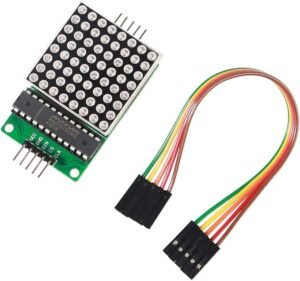
A Micro LED display is made of thousands of tiny light-emitting diodes (LEDs). Each micro LED works as its own light source, meaning it can turn on and off without needing a backlight. This creates bright, sharp images that work even in sunlight.
How It Works:
-
Each pixel is an individual LED.
-
The LEDs emit light directly, which makes the display brighter.
-
Images stay clear even in high-light environments.
Key Features:
-
High Brightness: Ideal for outdoor use.
-
Low Power Use: Consumes less energy than traditional LEDs.
-
Long Life: Less chance of image burn-in.
Core Components of a Micro LED Display
A Micro LED display combines several precision-engineered components to produce bright and detailed images. Each part plays an important role in display performance, power efficiency, and image quality.
Micro LED Chips
Micro LED chips are microscopic inorganic LEDs, usually made from Gallium Nitride (GaN). Each chip emits its own light, eliminating the need for a backlight. Since every pixel works independently, the display achieves excellent brightness, high contrast, and improved energy efficiency.
RGB Sub-Pixels
Each display pixel consists of tiny red, green, and blue (RGB) LEDs. These RGB sub-pixels mix different light intensities to create millions of colors with high accuracy and wide color gamut coverage.
Active Matrix Backplane
The active matrix backplane controls every individual pixel. It manages brightness, color output, and refresh rates while ensuring smooth image rendering. This precise control also improves response time during fast-moving scenes.
Driver IC
A Driver Integrated Circuit (Driver IC) sends electrical signals to each pixel. It synchronizes image data across the display, helping maintain consistent brightness, sharp details, and stable performance.
Pixel Array
Millions of Micro LED pixels are arranged in a high-density pixel array. A well-designed pixel array improves image resolution and supports high-definition visuals across different display sizes.
Together, these components allow Micro LED technology to deliver exceptional brightness, long operating life, and reliable performance for automotive displays, industrial equipment, digital signage, and outdoor applications.
Main Benefits:
Micro LED displays are perfect for wearable devices, AR helmets, and industrial displays because of their durability, energy efficiency, and wide temperature range.
What Is Micro OLED Display Technology?
A Micro OLED display uses organic light-emitting diodes built on silicon wafers. Unlike Micro LED, these displays use organic materials that light up at the pixel level. This gives deeper blacks and smoother color transitions.
How It Works:
-
Each organic pixel produces its own light.
-
There’s no backlight, so blacks are true black.
-
Works best in small optical modules for smart glasses or EVF viewfinders.
Key Features:
-
High Contrast Ratio – Strong color accuracy and deep black levels.
-
Thin & Lightweight – Great for AR and VR optics.
-
Fast Response Time – Clear visuals during fast motion.
Core Components of a Micro OLED Display
Micro OLED displays achieve outstanding image quality by combining advanced semiconductor technology with self-emissive organic materials. Every component contributes to the compact design and ultra-high pixel density that make Micro OLED ideal for near-eye displays.
OLED-on-Silicon (OLEDoS)
Most Micro OLED displays use OLED-on-Silicon (OLEDoS) technology. Organic light-emitting layers are deposited directly onto a silicon substrate, allowing extremely small pixels while maintaining excellent image quality.
CMOS Backplane
The CMOS backplane controls every pixel individually. It manages brightness, color reproduction, and power consumption while supporting very high pixel densities required for AR glasses, VR headsets, and electronic viewfinders.
Organic Emissive Layer
The organic emissive layer generates light whenever an electric current passes through it. Since every pixel produces its own light, Micro OLED displays achieve true black levels, high contrast ratios, and vibrant colors without requiring a backlight.
Silicon Wafer
The silicon wafer serves as the display’s foundation. It supports precise semiconductor circuits that improve display stability, compactness, and manufacturing accuracy.
Thin-Film Encapsulation
A thin-film encapsulation layer protects the sensitive organic materials from moisture and oxygen. This protective layer helps improve reliability and extends the display’s operating life.
Pixel Driving Circuit
The pixel driving circuit delivers accurate electrical signals to every pixel. This enables fast response times, smooth motion, and excellent image consistency in compact optical systems.
These components work together to make Micro OLED one of the best display technologies for wearable devices, mixed reality headsets, medical imaging equipment, and other high-resolution optical applications.
Main Benefits:
Micro OLED displays deliver cinema-quality color, lightweight designs, and low power draw, making them the top choice for immersive displays and portable optical modules.
Micro LED vs Micro OLED: Key Comparison Factors
| Feature | Micro LED | Micro OLED |
|---|---|---|
| Brightness | Very High (good for sunlight) | Moderate (best indoors) |
| Contrast | High | Very High |
| Color Accuracy | Excellent | Excellent |
| Durability | Long lifespan, no burn-in | Shorter lifespan, risk of burn-in |
| Energy Use | Low | Very Low |
| Design Flexibility | Rigid modules | Flexible panels |
Brightness and Contrast
Micro LEDs are champions of brightness, making them ideal for outdoor AR devices and head-up displays. Micro OLEDs, however, create deeper blacks and perfect contrast for indoor VR systems or cinematic visuals.
Color Accuracy and Viewing Angles
Both technologies deliver vivid colors, but Micro OLED edges ahead in color depth and viewing comfort, especially for optical modules close to the eye.
Durability and Lifespan
Micro LED lasts longer and resists image burn-in, which makes it more stable for industrial and automotive displays.
Energy Efficiency
Both save energy, but Micro OLED uses less power in darker environments, while Micro LED handles bright, daylight conditions more efficiently.
Design Flexibility
Micro OLED offers flexible design possibilities—great for curved or foldable optics. Micro LED is still mostly used in rigid display structures.
Best Applications for Micro LED and Micro OLED
Although both technologies produce excellent images, each performs better in specific industries and products.
AR Glasses
Micro OLED is currently the preferred choice for AR glasses because its ultra-high pixel density creates smooth images that remain clear when viewed at very close distances.
VR Headsets
Virtual reality headsets benefit from Micro OLED’s high contrast ratio, fast response time, and deep black levels. These characteristics create a more immersive viewing experience.
Mixed Reality (MR)
Mixed reality devices require compact displays with excellent image quality. Micro OLED meets these requirements while maintaining lightweight optical modules.
Electronic Viewfinders (EVFs)
Professional cameras and imaging systems often use Micro OLED displays because they provide accurate colors, sharp details, and smooth image rendering.
Automotive Head-Up Displays (HUDs)
Micro LED performs exceptionally well in automotive applications because of its high brightness, durability, and reliable performance under direct sunlight.
Medical Imaging
Medical devices require displays with excellent image accuracy and fine detail. Micro OLED’s high resolution and contrast make it suitable for surgical visualization, diagnostic imaging, and precision optical equipment.
Industrial Displays
Industrial environments often involve high temperatures, dust, and continuous operation. Micro LED offers better durability and long-term reliability for these demanding conditions.
Defense and Aerospace
Defense optics and aerospace systems require rugged displays with excellent brightness and dependable performance. Depending on the mission, both Micro LED and Micro OLED may be selected to meet different operational requirements.
Cost and Commercial Considerations
Choosing a display technology involves more than image quality. Manufacturers, OEMs, and product developers also evaluate production costs, scalability, and long-term supply availability.
Manufacturing Cost
Micro LED manufacturing remains more expensive because millions of microscopic LED chips must be transferred and aligned with high precision. Micro OLED benefits from mature semiconductor fabrication processes, making it more practical for many compact display applications today.
Production Yield
Production yield directly affects manufacturing efficiency and product pricing. As Micro LED manufacturing improves, higher yields are expected to reduce production costs and increase commercial adoption.
Scalability
Micro LED offers excellent long-term scalability for larger displays and high-brightness applications. Micro OLED remains the preferred solution for compact optical modules where ultra-high pixel density is essential.
OEM Manufacturing and Customization
Many manufacturers require customized display solutions to match specific product designs. Both technologies support OEM development, but the final choice depends on brightness requirements, display size, optical design, and application environment.
Supply Chain Considerations
Reliable suppliers, stable component availability, and long-term production support are important factors for commercial projects. Evaluating these factors helps businesses reduce procurement risks and maintain consistent product quality.
Future of Micro Display Technology
The next generation of micro display technology is moving toward hybrid designs, combining Micro LED and Micro OLED advantages. Engineers are also working on transparent, flexible displays and low-cost manufacturing to make them available in mass markets.
Soon, we’ll see micro displays in smart helmets, AI-powered glasses, and portable medical devices. Both Micro LED and Micro OLED will shape how the optical and display industry evolves.
Both Micro LED and Micro OLED are powerful display technologies. If you need high brightness, long life, and outdoor use, go for Micro LED. If you prefer deep blacks, thin size, and vivid colors, Micro OLED is the better choice.
As someone who has seen both in action, I can say each has its own place depending on your needs. The right choice depends on where and how the display will be used.