
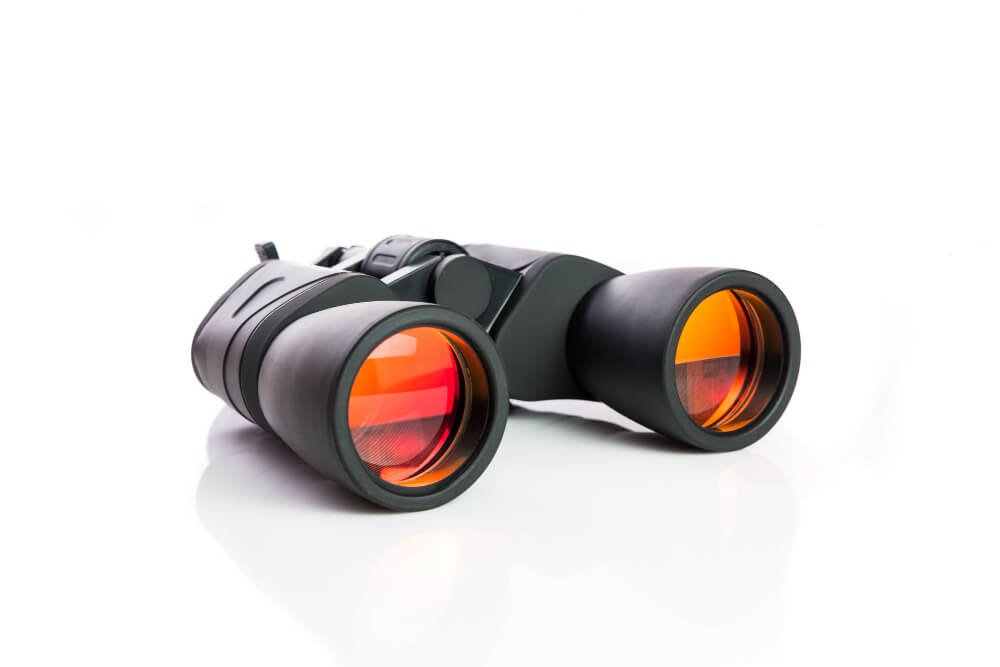
A Porro prism is an important optical component used in many viewing devices, especially binoculars. It helps control the direction of light and correct the image so that what we see looks upright and clear. Even though modern optics has many advanced technologies, Porro prisms are still widely used because of their reliable performance and high image quality.
Understanding how a Porro prism works, where it is used, and what its benefits and limitations are is essential for anyone learning optics or choosing optical equipment.
Porro Prism Meaning
The meaning of a Porro prism refers to a prism system that uses two right-angle prisms arranged together to change the path of light. Its main purpose is to rotate and erect an image that would otherwise appear upside down or reversed. In simple words, a Porro prism makes images appear correct to the human eye while also folding the light path inside an optical device.
Porro Prism Definition
A Porro prism is defined as an optical prism assembly consisting of two right-angle prisms that use total internal reflection to invert and rotate an image by 180 degrees. This prism system is commonly used in binoculars and optical instruments to improve image orientation, brightness, and depth perception.
This definition is widely accepted in optical science and is based on fundamental light reflection and refraction principles.
How a Porro Prism Works
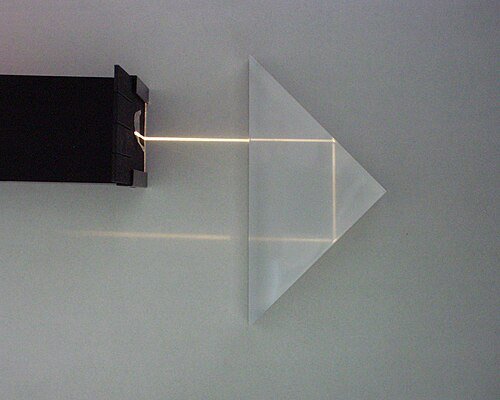
The working principle of a Porro prism is based on total internal reflection, not mirrors. When light enters the first prism, it is reflected at specific angles inside the glass. The light then passes into the second prism, where further reflections occur.
As a result:
-
The image is turned upright
-
Left and right orientation is corrected
-
The light path is folded into a compact shape
Because reflection happens inside solid glass, Porro prisms maintain high optical efficiency and minimal light loss compared to mirror-based systems.
Uses of Porro Prism
Porro prisms are widely used in different optical applications due to their stable performance and good image quality.
Common Uses Include:
-
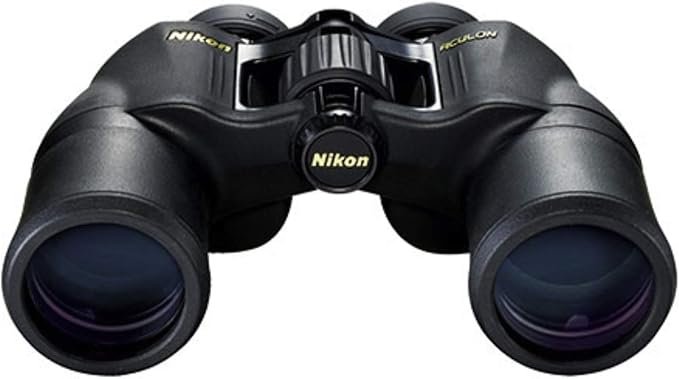
Binoculars: Most traditional binoculars use Porro prisms for bright images and strong depth perception
-
Telescopes: Used for image correction and comfortable viewing
-
Optical instruments: Such as rangefinders and observation devices
-
Educational optics: Demonstrating light reflection and image inversion
Porro prism binoculars are especially popular for outdoor observation, astronomy, and wildlife viewing because they provide a wide field of view and natural image depth.
Advantages of Porro Prism
Porro prisms offer several important advantages, which is why they are still widely used today.
Key Advantages:
-
High image brightness due to total internal reflection
-
Better depth perception because of wider objective lens spacing
-
No phase correction coating required, unlike roof prisms
-
Lower manufacturing cost compared to complex prism systems
-
Durable and stable optical alignment
These benefits make Porro prism systems ideal for users who want high optical performance without complex coatings or expensive designs.
Disadvantages of Porro Prism
Despite their benefits, Porro prisms also have some limitations that should be considered.
Main Disadvantages:
-
Bulkier design, making devices larger and heavier
-
Less compact compared to roof prism binoculars
-
Not ideal for slim or modern compact devices
-
More exposed optical housing, which may reduce waterproofing
Because of these drawbacks, Porro prisms are less common in compact or premium handheld optics where size and appearance matter more.
Porro Prism vs Modern Prism Systems
When compared with roof prisms, Porro prisms provide better image brightness and depth at a lower cost. However, roof prism systems are preferred when compact size, lightweight design, and sleek appearance are required. The choice between them depends on the application, budget, and performance needs.
Conclusion
A Porro prism is a classic and highly effective optical prism system used to correct image orientation and improve viewing quality. Its meaning and definition are rooted in basic optical physics, while its uses extend across binoculars, telescopes, and optical instruments. Porro prisms offer excellent brightness, depth perception, and reliability, though they come with size and design limitations.
Even in modern optics, Porro prisms remain a trusted solution where image quality and optical efficiency are the top priorities. Understanding their advantages and disadvantages helps users and professionals make better decisions when selecting optical systems.